“So often times it happens that we live our lives in chains, and we never even know we have the key.”
~ “Already Gone” – The Eagles
Some time back, I wrote a piece about the hero’s most transformational moment and how important it can be in creating a satisfying story, (you can access that here: https://scriptmag.com/
Briefly, to recap:
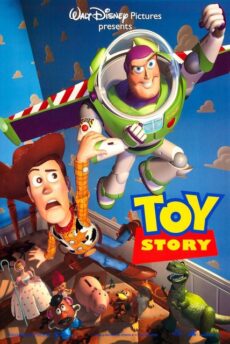
 In TOY STORY, Buzz the “Space Ranger” has inherent value as Andy’s toy, but he doesn’t recognize it. When he discovers he’s not actually a space ranger, and simply a plaything, he’s initially devastated, convinced his life is meaningless. And as a result, for a time he’s utterly demoralized, reduced by this existential crisis to babbling mindlessly.
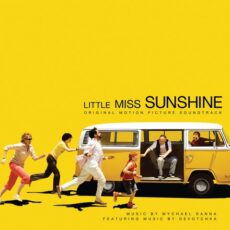
In LITTLE MISS SUNSHINE, Richard, (the struggling motivational speaker father played by Greg Kinnear), thinks the only thing that matters is being what society deems a “winner,” but for most of the story fails to realize he is already a winner as a supportive and loving dad to his family.
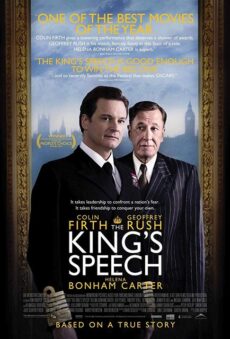
In THE KING’S SPEECH, the man who would be become King George VI, Bertie was abused as a child, and thus doesn’t feel his own inherent dignity and worth. It’s been there all along, but it’s not until he consciously recognizes and embraces it, by virtue of working with a speech therapist who pushes him to confront his past, that he is able to act on it and behave accordingly.
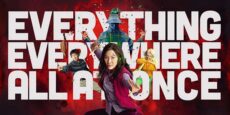 In EVERYTHING EVERYWHERE ALL AT ONCE, Evelyn feels beaten down, victimized and shortchanged by life and love. She especially feels let down by what she sees as her hapless, ineffectual husband.
And in one of the most famous and revered movies of all time, THE WIZARD OF OZ, the Scarecrow famously wishes for a brain, the Tin Man for a heart, and the Cowardly Lion for courage. But these characters, unbeknownst to themselves, already possess (albeit latently) the very qualities they yearn for. And this is what the journey of the story is really all about. Despite the title, we all know it’s not fundamentally about Oz, a wizard who turns out to be a phony. It’s about the heroes revealing to themselves their own true worth, bringing out and recognizing what they’re really made of.
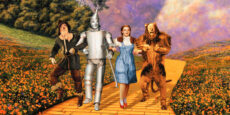 Thus, the story, and the obstacles it poses, force them all to see and ultimately to act on their own worth and capabilities. And this, I think, this journey of character, is the main purpose of the story. It’s saying, if we look within ourselves– especially when outer circumstances force our hand, and really put us up against a wall— we may be able to discover and summon virtues and capabilities we would otherwise never have known we possessed.
From a certain angle, one could make a case that any work of art was somehow latent in the artist all along, but they had to do the hard work to bring it forth. It’s like that story of Michelangelo’s David — that the David was lying dormant in the marble all along, Michelangelo simply cut away anything that wasn’t the David and thus revealed him.
A story, and the inherent obstacles it poses, is the process by which the hero comes to recognize their real potential. It clears away the smoke, as the Buddhists say, by which their true nature has been obscured. Note that the hero’s shift is not about “positive thinking,” or visualizing some other better self in the future. It’s about seeing their own strength in the present; fully recognizing and shining a light on what they already are/already have/hadn’t realized they were already capable of.
So, here, I think, is the lesson for the rest of us mere mortals: You don’t know your own strength. Chances are, you may well already have, or certainly have the seeds of, whatever it is you think you need. You already have value and worth and are capable of great things, but you must consciously recognize that, own it, and then do the hard work to cultivate it, and act accordingly. I believe stories help inspire us to recognize that we must turn that epiphany light bulb on for ourselves, and then we must summon the will to rise to the occasion.